
From engineered famine to weaponized infrastructure, the continuity lies in targeting the means of civilian survival.”
Category: Global Security & Geopolitics
In Protest. Gender-Based Repression, Resistance Movements, and the Struggle for Human Rights
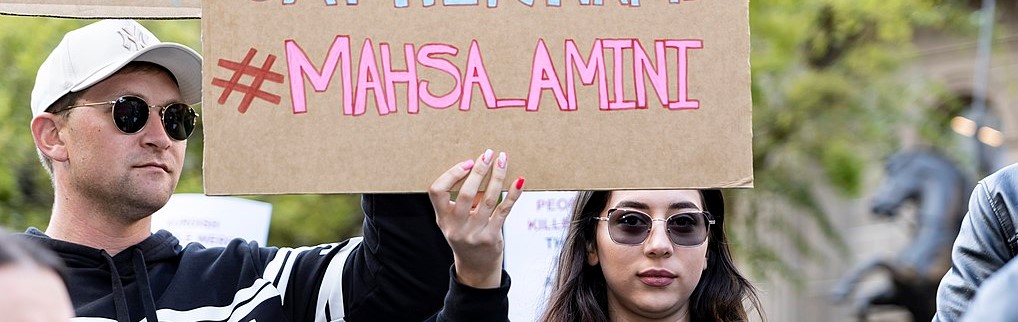
Where gender-based repression is institutionalized, protest becomes both an act of resistance and a demand for recognition under international law.”
IDP Camp Attack in Syria: Civilian Targeting, Escalation Risks, and the Fragility of Protection Frameworks

When displacement sites become targets, the distinction between battlefield and civilian space collapses, undermining the core protections of international humanitarian law.”
Ukraine’s Most Vulnerable: Civilian Risk, Systemic Strain, and the Expanding Humanitarian Impact of War

In modern conflict, vulnerability is not incidental—it is structured by who cannot flee, who cannot access care, and who remains exposed to sustained violence.”
Peace Between Gaza-Israel: Fragile Ceasefire, Civilian Risk, and the Structural Drivers of Recurrent Conflict
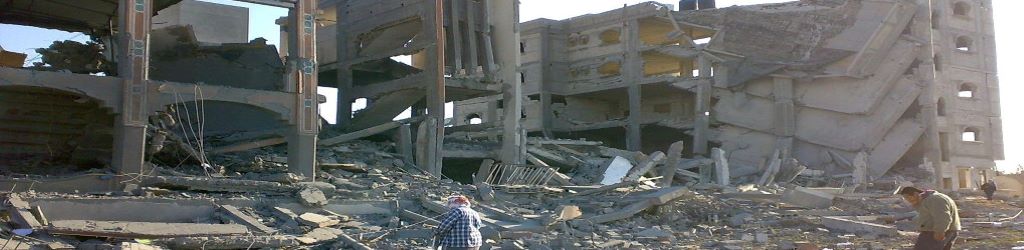
Ceasefires in Gaza reduce immediate violence, but without structural change, they function as pauses—not resolutions—in a recurring cycle of conflict.”
South Sudan’s Forgotten Conflict: Fragile Peace, Governance Failures, and Persistent Atrocity Risk
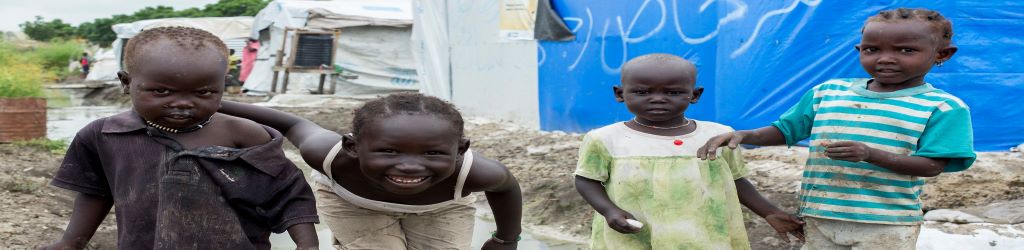
A peace agreement without implementation does not end conflict—it institutionalizes instability and prolongs civilian suffering.”
A Year of Taliban Rule: Repression, Economic Collapse, and Renewed Security Threats in Afghanistan

A year of Taliban rule has not marked a transition—it has marked a reversion.”
Hiroshima: An Argument for NPT- Memory, Risk, and the Fragility of Nuclear Restraint

Deterrence has prevented use—but it has not eliminated risk.”
Afghanistan’s Economic Crisis: Sanctions, Financial Isolation, and the Collapse of State Function

Economic isolation has not only constrained governance—it has transferred the cost of political decisions directly onto the civilian population.”
International Sanctions – Coercive Policy Tools and the Limits of Enforcement
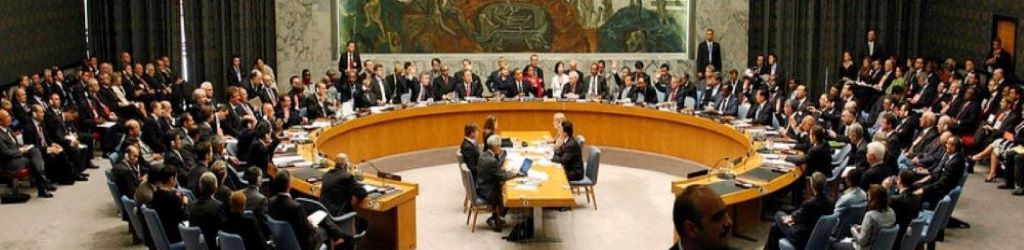
Sanctions signal international condemnation—but their success depends on enforcement, coordination, and political will.”