Category: Global Security & Geopolitics

The UN Security Council Veto: Power, Paralysis, and the Limits of International Protection

The Security Council veto reflects global power realities—but in moments of crisis, it has too often come at the expense of civilian protection and timely international action.”
Genocide and Ethnic Cleansing Allegations in Gaza and the West Bank

The current legal scrutiny reflects not only the scale of civilian harm, but the growing centrality of intent, conduct, and accountability in assessing potential atrocity crimes.”
Global Displacement: Scale, Protection Gaps, and the Limits of International Response
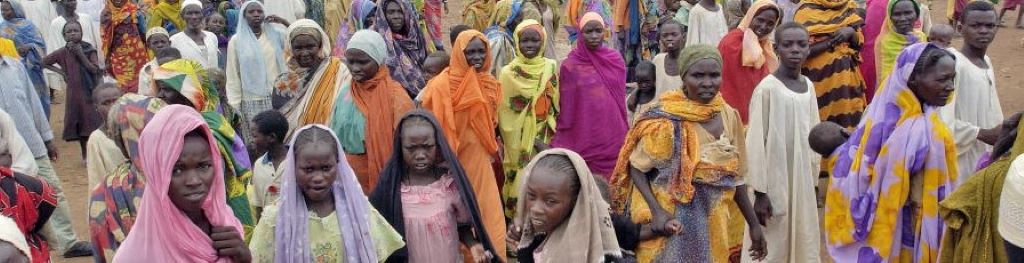
Global displacement is no longer a temporary humanitarian emergency; it is a prolonged condition shaping the security, stability, and future of entire regions.”
Sudan Is Unraveling: Armed Conflict, Humanitarian Collapse, and Renewed Atrocity Risk
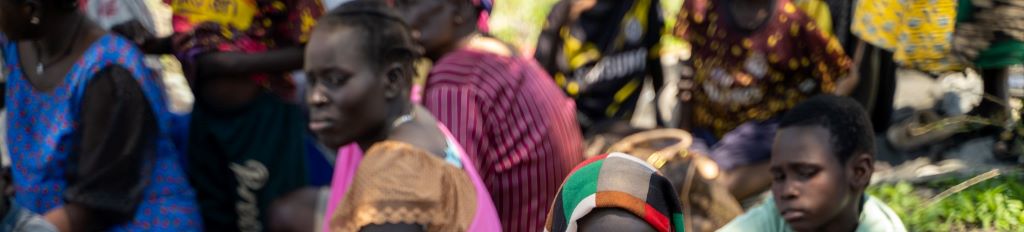
Sudan’s conflict has moved beyond political struggle into a pattern of violence and deprivation that places millions of civilians at immediate risk.”
Afghan Adjustment Act and U.S. Obligations to Afghan Allies
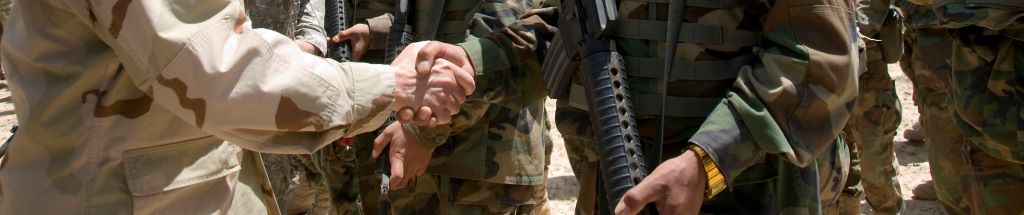
Legal pathways without safe extraction mechanisms leave thousands of Afghan allies in the same danger the legislation seeks to resolve.”
Crisis in the Horn of Africa: Conflict, Climate, and Compounding Vulnerabilities
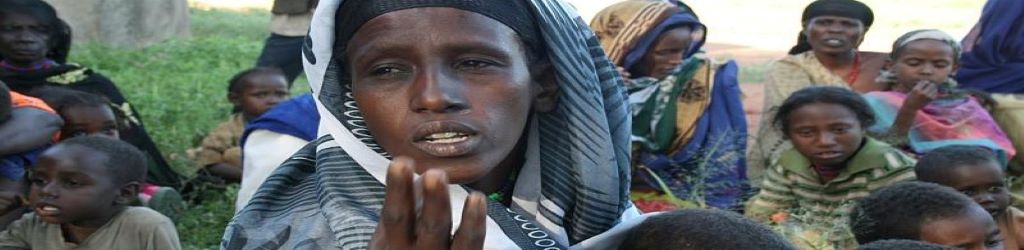
In the Horn of Africa, climate stress and armed conflict are not separate crises—they are mutually reinforcing drivers of instability and mass suffering.”
Human Rights on Hold: How Global Indifference to Violations Fuels Instability
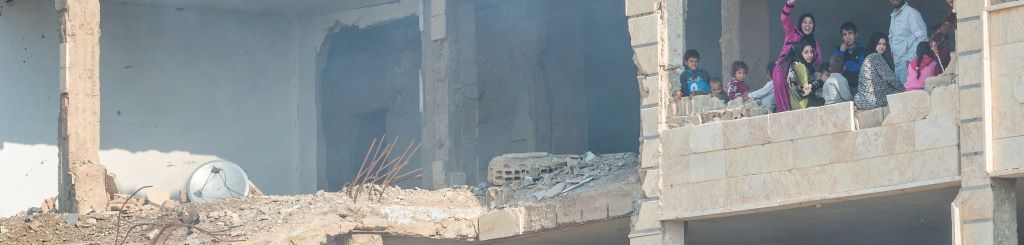
Resolutions and Investigations for Myanmar: Accountability, Evidence, and the Limits of International Action
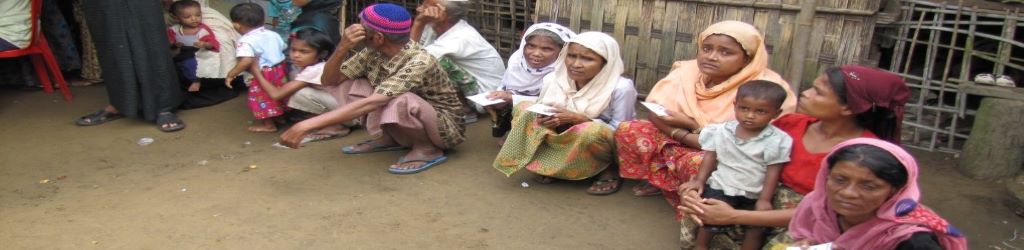
Without enforcement, international resolutions risk becoming symbolic gestures in the face of systematic atrocity crimes.”
Türkiye’s Aggression in Northern Syria and Iraq: Escalation, Civilian Harm, and the Limits of Allied Accountability
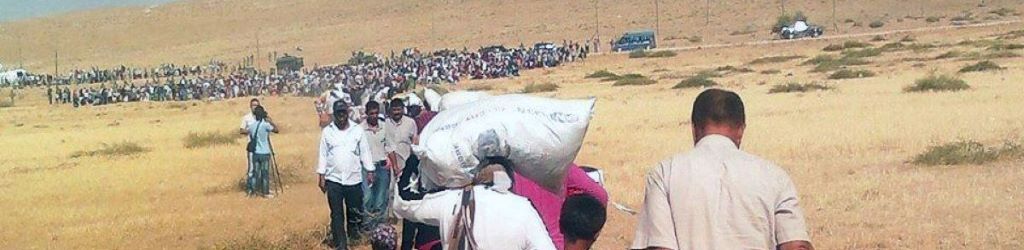
Military escalation framed as counterterrorism risks normalizing civilian harm and eroding international standards designed to protect populations in conflict.”