
Collective punishment targets populations, not perpetrators, and in doing so violates a core principle of international humanitarian law.”
Tag: War Crimes
Israel-Hamas Conflict: Civilian Protection and Legal Boundaries in Armed Conflict

Self-defense does not absolve any party—state or non-state—from compliance with international humanitarian law.”
Ukraine’s Children: Deportation, Civilian Targeting, and the Erosion of International Norms

Ukraine’s children have become central to the conflict—not only as victims of war, but as targets of policies that risk permanently severing identity, family structures, and national continuity.”
Sudan Is Unraveling: Armed Conflict, Humanitarian Collapse, and Renewed Atrocity Risk

Sudan’s conflict has moved beyond political struggle into a pattern of violence and deprivation that places millions of civilians at immediate risk.”
Arrest Warrants for Vladimir Putin: International Justice and the Deportation of Children

The unlawful transfer of children in Ukraine is not only a war crime—it may represent one of the clearest pathways toward establishing genocidal intent.”
Crisis in the Horn of Africa: Conflict, Climate, and Compounding Vulnerabilities

In the Horn of Africa, climate stress and armed conflict are not separate crises—they are mutually reinforcing drivers of instability and mass suffering.”
War in Ukraine: One Year of Conflict, Displacement and Global Consequences
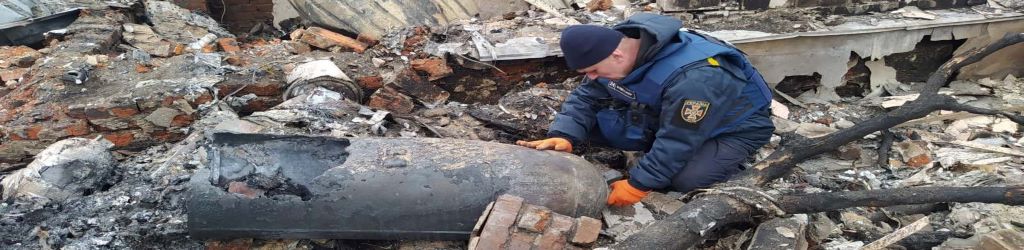
Ukraine’s citizens and military forces have demonstrated extraordinary resilience, holding their ground despite the relentless assault on civilians and infrastructure.”
Human Rights on Hold: How Global Indifference to Violations Fuels Instability
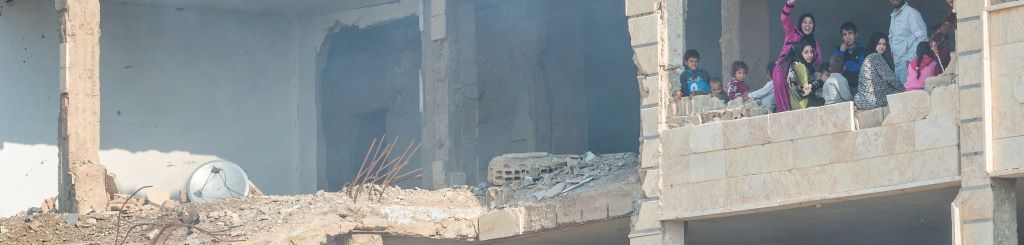
Resolutions and Investigations for Myanmar: Accountability, Evidence, and the Limits of International Action
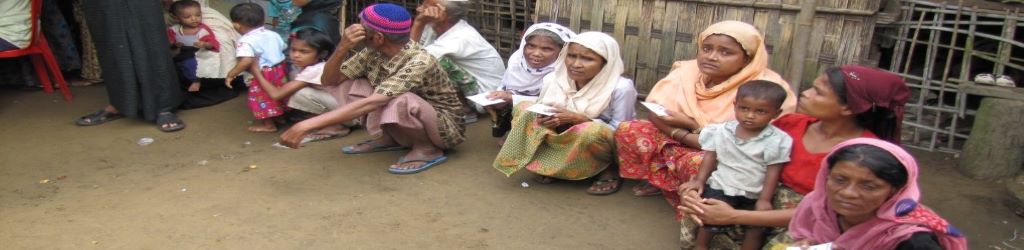
Without enforcement, international resolutions risk becoming symbolic gestures in the face of systematic atrocity crimes.”
Türkiye’s Aggression in Northern Syria and Iraq: Escalation, Civilian Harm, and the Limits of Allied Accountability

Military escalation framed as counterterrorism risks normalizing civilian harm and eroding international standards designed to protect populations in conflict.”