
Aggressive war is not only an international crime; it is the supreme international crime.” —Nuremberg Tribunal Judgment
Tag: Accountability
Genocide in Gaza: Legal Thresholds, Evidence, and the Escalating Risk of Mass Atrocity

Famine and Atrocities in Sudan: War, Starvation, and Civilian Targeting Across a Collapsing State
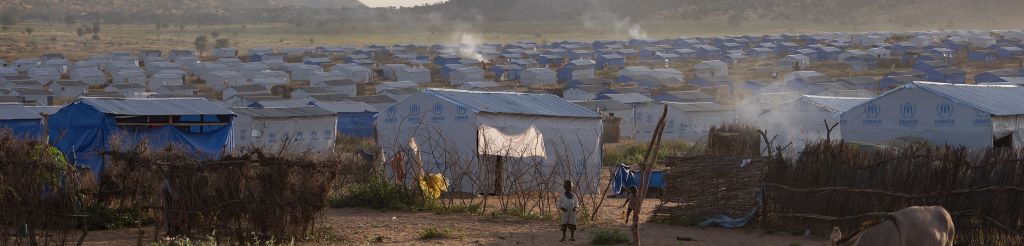
Without more resources, we will not be able to prevent a famine.” —OCHA Representative in Sudan
Ukraine’s Children: Deportation, Civilian Targeting, and the Erosion of International Norms

Ukraine’s children have become central to the conflict—not only as victims of war, but as targets of policies that risk permanently severing identity, family structures, and national continuity.”
Global Displacement: Scale, Protection Gaps, and the Limits of International Response
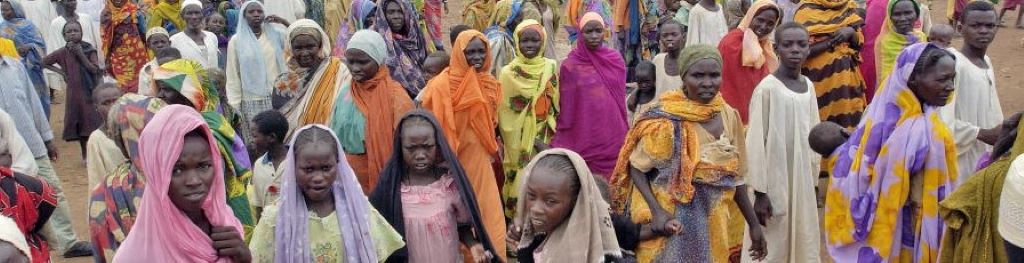
Global displacement is no longer a temporary humanitarian emergency; it is a prolonged condition shaping the security, stability, and future of entire regions.”
Sudan Is Unraveling: Armed Conflict, Humanitarian Collapse, and Renewed Atrocity Risk

Sudan’s conflict has moved beyond political struggle into a pattern of violence and deprivation that places millions of civilians at immediate risk.”
Asylum is a Fundamental Human Right: Legal Protections and Contemporary Challenges

From Dictatorship to Conflict: Sudan’s Escalating Crisis
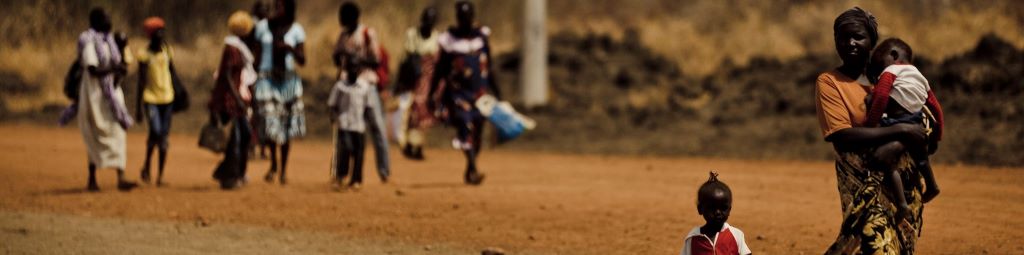
Sudan has shifted from dictatorship to conflict, with civilians increasingly caught in the crossfire of competing military factions.”
Crisis in Afghanistan: Rights, Collapse, and Humanitarian Emergency
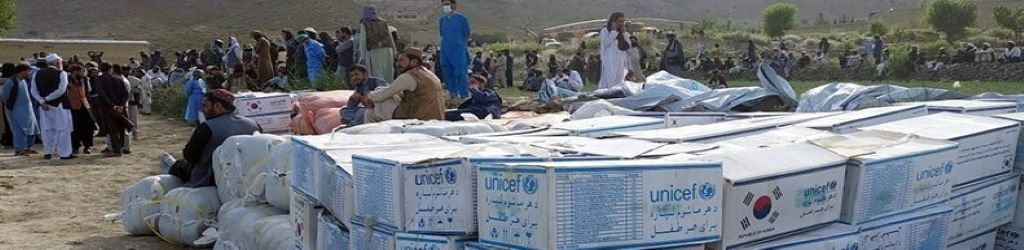
The crisis in Afghanistan is defined not only by economic collapse, but by the systematic erasure of women and girls from public life.”
Arrest Warrants for Vladimir Putin: International Justice and the Deportation of Children

The unlawful transfer of children in Ukraine is not only a war crime—it may represent one of the clearest pathways toward establishing genocidal intent.”