
Joseph Kony’s legacy is one of unimaginable suffering; bringing him to trial is essential not only for justice, but for the global fight against impunity.”
Tag: Atrocity Prevention
Promoting Global Human Rights
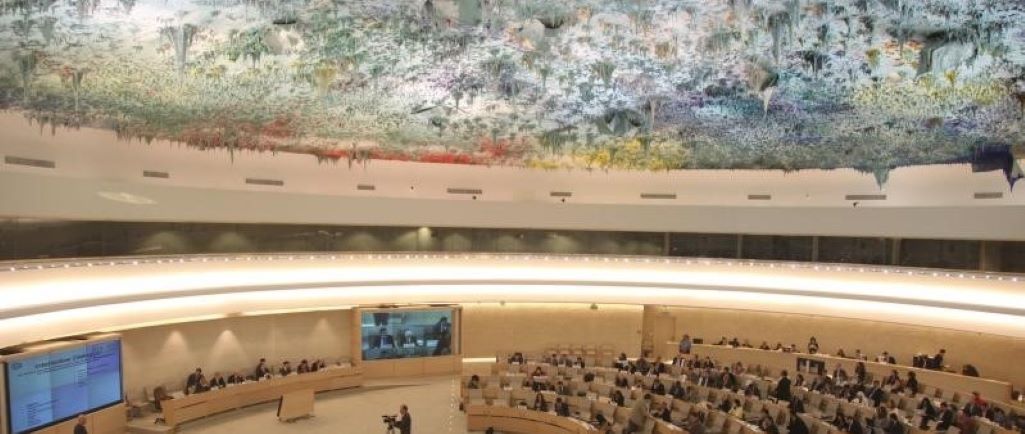
Promoting human rights globally is not a one-time campaign—it is an ongoing commitment to humanity, requiring courage, cooperation, and compassion from governments, organizations, and individuals alike.”
Starvation, Hunger, and Famine in IHL

Starvation is not collateral damage—it is a weapon that destroys lives, violates law, and signals the need for immediate accountability.”
Landmines and Cluster Munitions in Ukraine: Ongoing Civilian Harm

Forced Disappearance: Coercion, Control, and the Erosion of Legal Order

Forced disappearance functions not only as a method of repression, but as a systemic tool to instill fear, dismantle dissent, and operate beyond the reach of law.”
Delivering Lifesaving Aid into Gaza: Humanitarian Access, Civilian Risk, and the Collapse of Aid Delivery Systems

Humanitarian workers are not combatants, yet they are increasingly among the casualties of this conflict.”
Human Trafficking in Malawi: Structural Vulnerabilities, Legal Gaps, and Protection Challenges
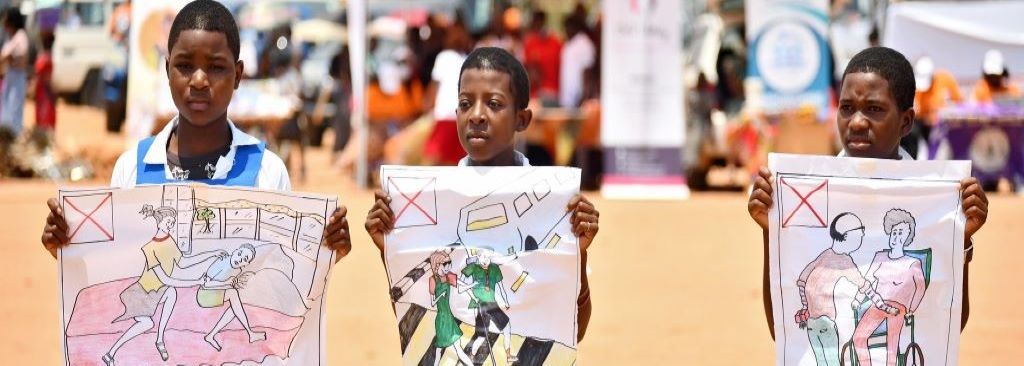
Human trafficking in Malawi is sustained not only by criminal networks, but by systemic vulnerabilities that leave victims unprotected and perpetrators largely unaccountable.”
Uganda’s Anti-Homosexuality Act
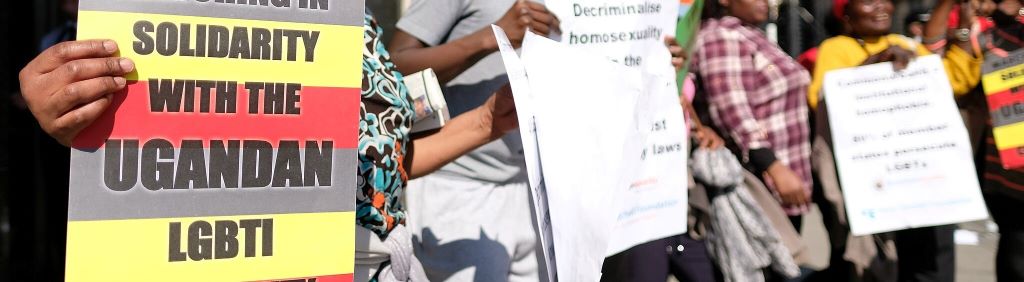
When discrimination is codified into law, it not only legitimizes abuse but creates the conditions for systematic persecution.”
Crisis in the Horn of Africa: Conflict, Climate, and Compounding Vulnerabilities
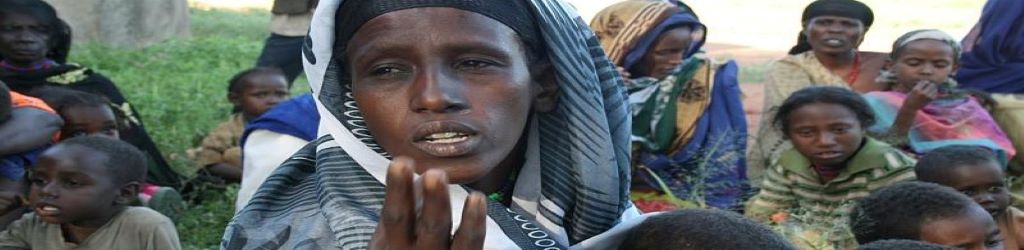
In the Horn of Africa, climate stress and armed conflict are not separate crises—they are mutually reinforcing drivers of instability and mass suffering.”
War in Ukraine: One Year of Conflict, Displacement and Global Consequences
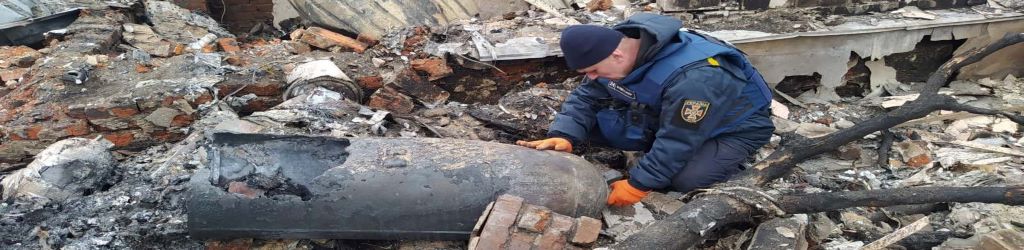
Ukraine’s citizens and military forces have demonstrated extraordinary resilience, holding their ground despite the relentless assault on civilians and infrastructure.”