Tag: Human Rights

The Crisis in Yemen: Humanitarian Collapse Amid Protracted Conflict

In Yemen, conflict is not only measured in violence, but in the slow erosion of survival—hunger, disease, and the collapse of basic human dignity.”
Crisis in Afghanistan: Rights, Collapse, and Humanitarian Emergency
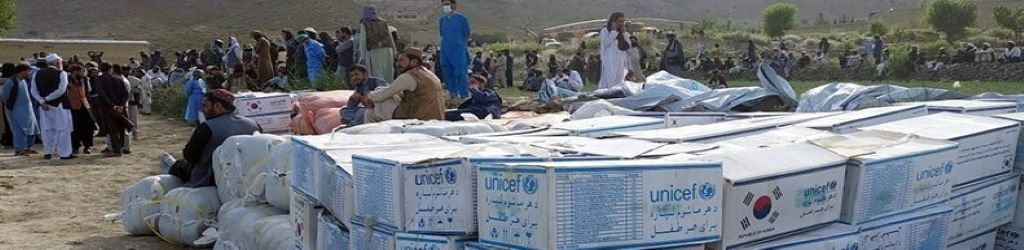
The crisis in Afghanistan is defined not only by economic collapse, but by the systematic erasure of women and girls from public life.”
War in Ukraine: One Year of Conflict, Displacement and Global Consequences
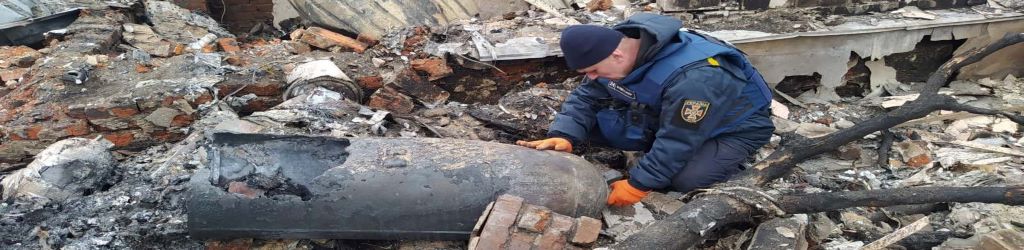
Ukraine’s citizens and military forces have demonstrated extraordinary resilience, holding their ground despite the relentless assault on civilians and infrastructure.”
Human Rights on Hold: How Global Indifference to Violations Fuels Instability

Resolutions and Investigations for Myanmar: Accountability, Evidence, and the Limits of International Action
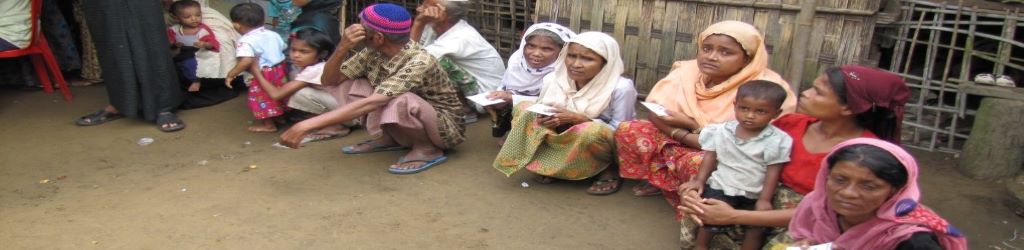
Without enforcement, international resolutions risk becoming symbolic gestures in the face of systematic atrocity crimes.”
UNGA Survivors Resolution: Symbolism, Legal Gaps, and Expanding Access to Justice for Survivors of Sexual Violence

Recognition without enforcement advances norms—but it does not, on its own, deliver justice.”
A Year of Taliban Rule: Repression, Economic Collapse, and Renewed Security Threats in Afghanistan

A year of Taliban rule has not marked a transition—it has marked a reversion.”
Afghanistan’s Economic Crisis: Sanctions, Financial Isolation, and the Collapse of State Function

Economic isolation has not only constrained governance—it has transferred the cost of political decisions directly onto the civilian population.”
International Sanctions – Coercive Policy Tools and the Limits of Enforcement
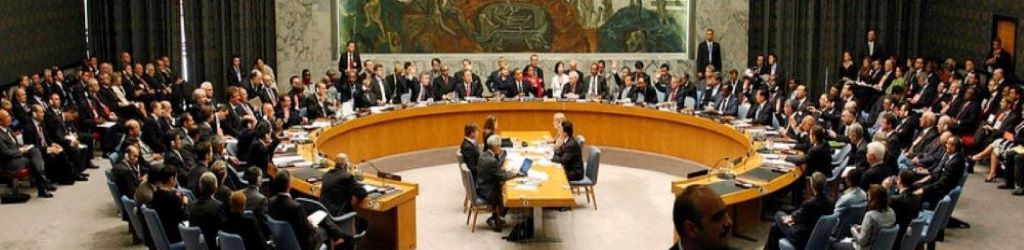
Sanctions signal international condemnation—but their success depends on enforcement, coordination, and political will.”