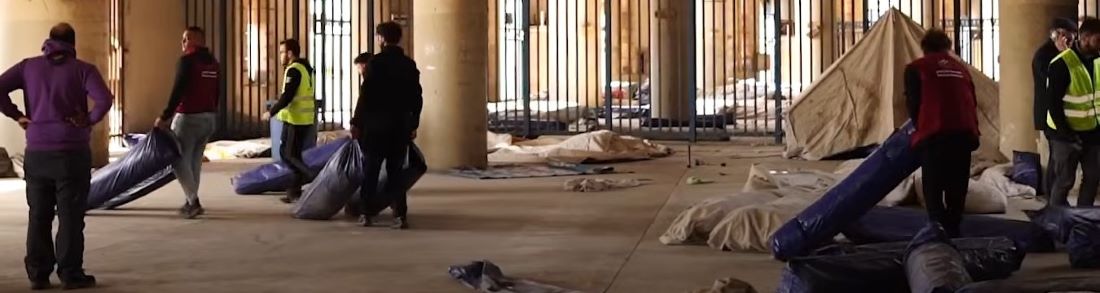
Escalation across borders does not remain contained—it expands the geography of civilian risk.”
Category: Civilian Protection
Sudan’s War and the Collapse of Civilian Protection: Escalating Atrocity Risks Amid State Fragmentation

The erosion of centralized authority in Sudan has created conditions in which civilian protection is no longer incidental to the conflict—it is structurally absent.”
Ceasefire Breakdown in Gaza: Renewed Israeli Strikes and the Limits of Humanitarian Access
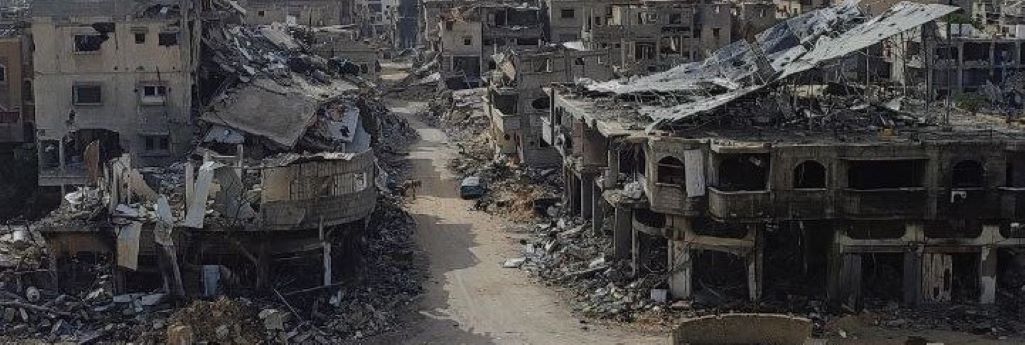
The breakdown of ceasefire commitments in Gaza underscores how fragile agreements, restricted aid, and renewed strikes can rapidly escalate risks for civilians.”
Gaza’s Famine
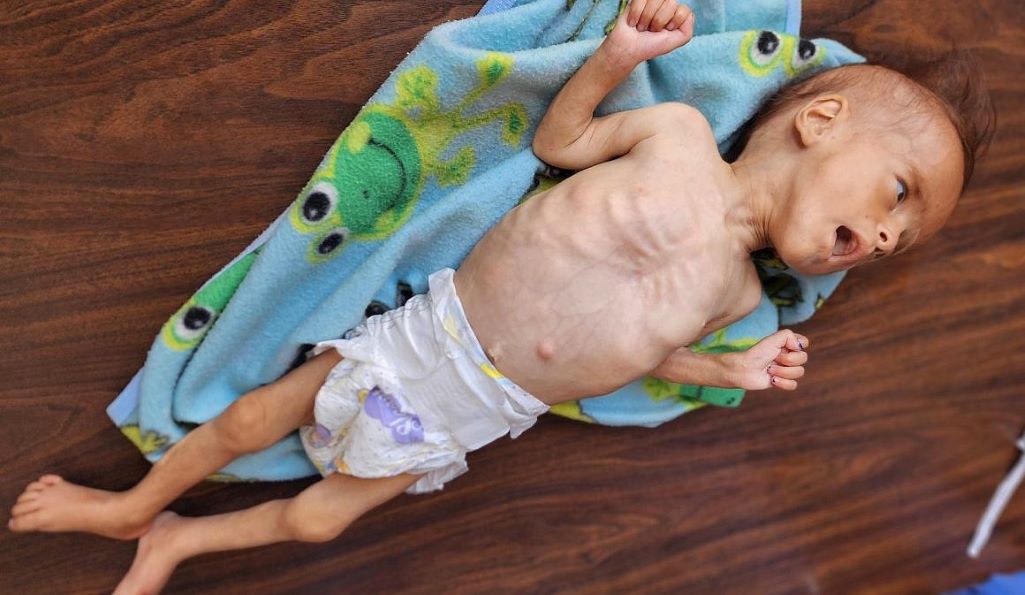
Gaza’s famine is not a natural disaster—it is a man-made catastrophe that could be ended tomorrow by allowing aid in and enforcing an unconditional ceasefire.”
Silent Victims: Children in Conflict

Children are not collateral damage—they are the silent victims whose protection must guide every response to conflict.”
Starvation, Hunger, and Famine in IHL

Starvation is not collateral damage—it is a weapon that destroys lives, violates law, and signals the need for immediate accountability.”
Haiti in Crisis

Haiti’s crisis is not only a humanitarian emergency—it is a preventable disaster demanding immediate global action.”
The UN Security Council Veto: Power, Paralysis, and the Limits of International Protection

The Security Council veto reflects global power realities—but in moments of crisis, it has too often come at the expense of civilian protection and timely international action.”
Gaza’s Humanitarian Crisis: Aid Restrictions, Systemic Collapse, and Civilian Risk

When humanitarian systems collapse and access to aid is restricted, deprivation becomes systemic rather than incidental to conflict.”
Two Years of War in Sudan: Humanitarian Collapse and International Responsibility

Sudan’s crisis is a stark reminder that inaction amid mass atrocities carries a profound cost for civilians and regional stability.”